
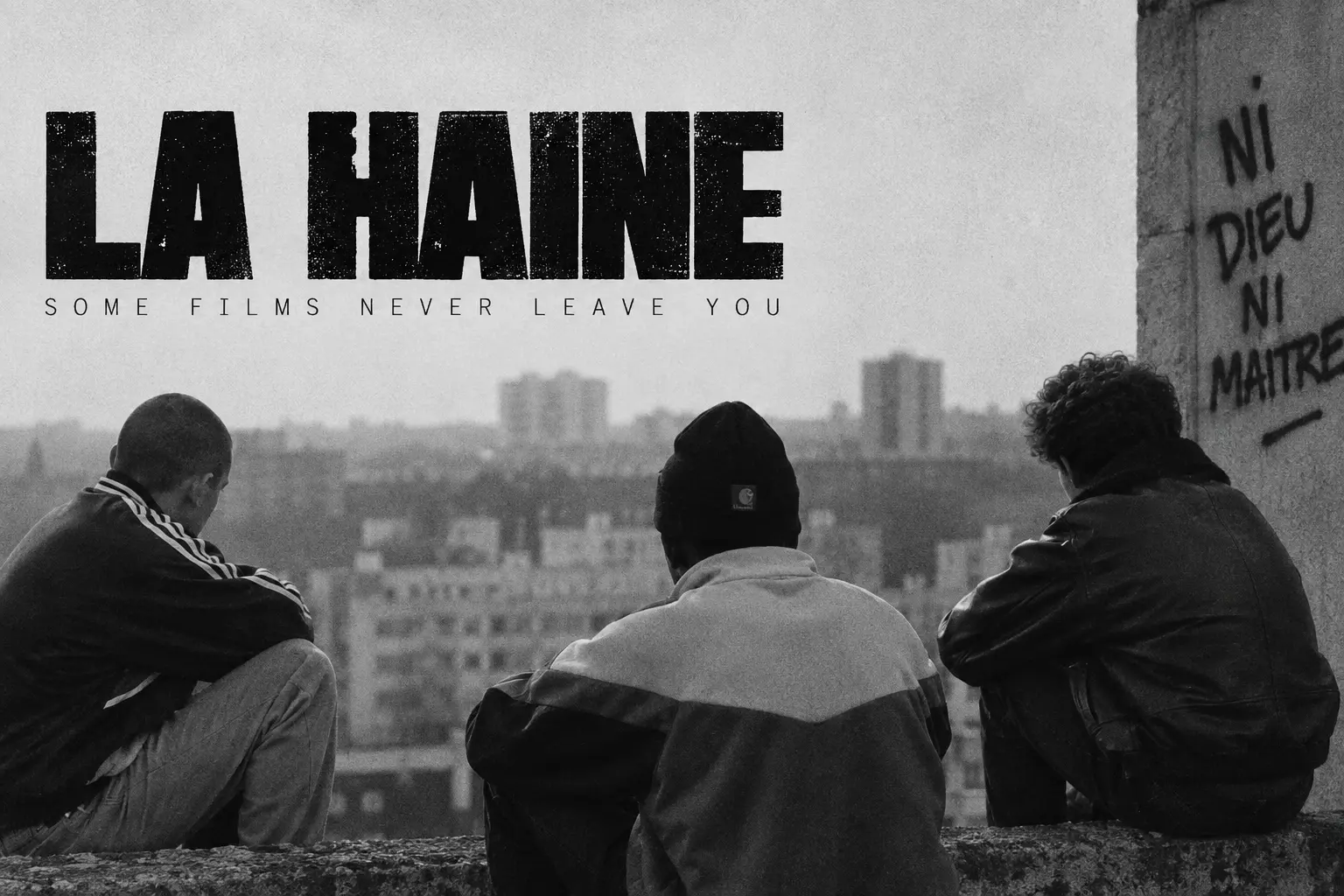
MADRID, 1996
I first saw La Haine on VHS in late 1996.
I was a teenager in Madrid, and the film immediately felt closer than something taking place in another country should have felt.
Paris was not Madrid, and the banlieues were not our neighbourhoods. But there was something in the attitude, the tension and the sense of rebellion that we understood instinctively.
We recognised the way the characters occupied the street, the clothes, the body language, the anger, the humour, the feeling of moving through the city with your friends as if the outside world belonged to someone else.
And then there was the music.
La Haine became one of the doors through which we discovered French rap.
This was before the internet became part of everyday life. You couldn’t hear a track in a film and immediately search for the artist, open a playlist and find everything connected to it. Discovery took time. A film could lead you to a record. A record could lead you to a group. And from there, if you were curious enough, you kept following the trail.
The aesthetic mattered too. The black and white photography, the clothes, the music, the tension of the streets and that constant sense of defiance all belonged to the same world.
We didn’t watch La Haine from a distance.
We recognised something in it.
And once we had seen it, we wanted to know where the rest of that world led.
THE VHS IS GONE
I no longer have the VHS copy of La Haine that I watched in 1996.
Somewhere along the way, it disappeared.
But one object from that period stayed with me.
A CD.
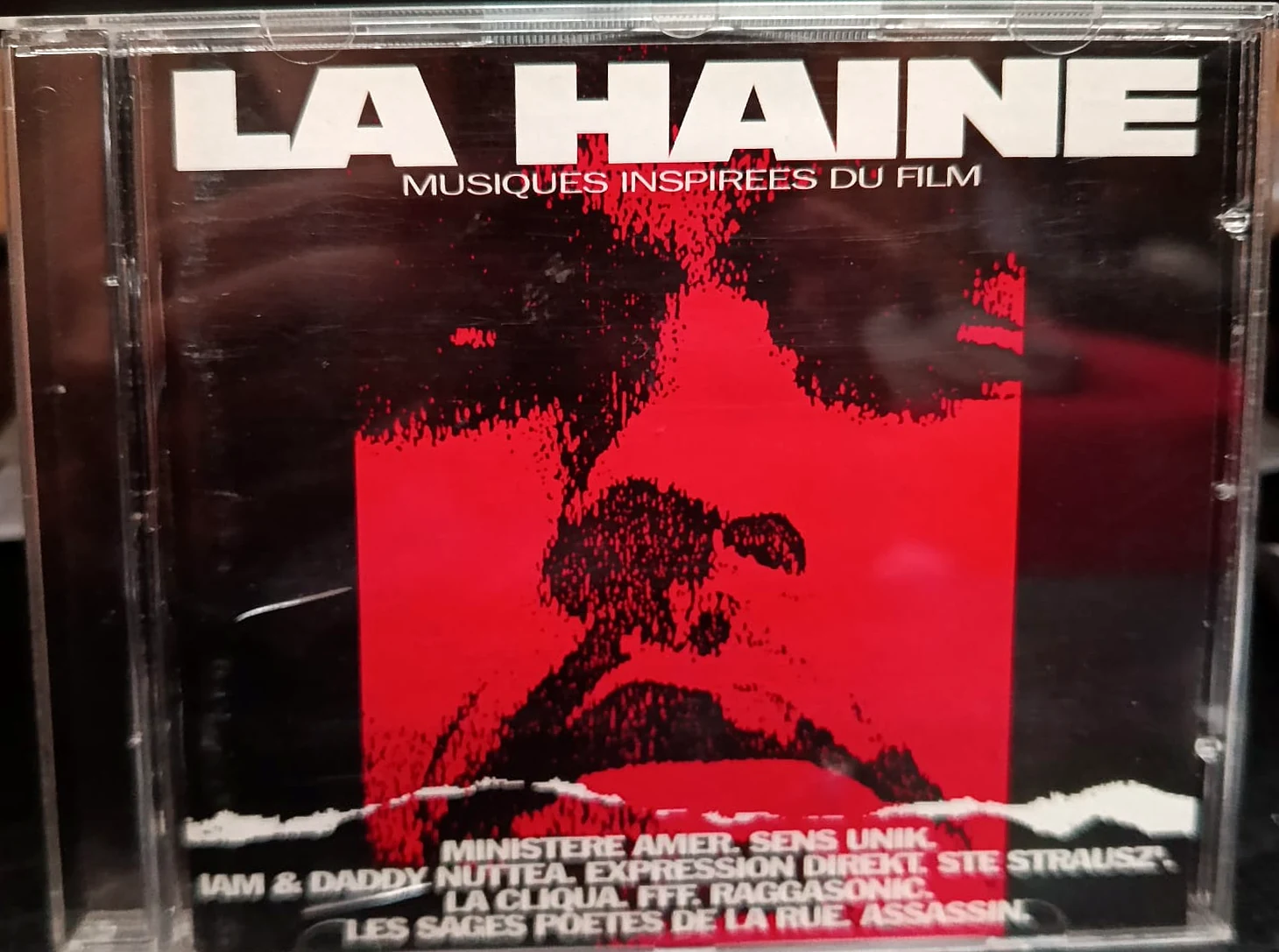
La Haine — Musiques inspirées du film.
It wasn’t simply a soundtrack. It was another door into the world the film had opened for us.
FOLLOWING THE MUSIC
The film didn’t end when the VHS stopped.
The music gave us another way into it.
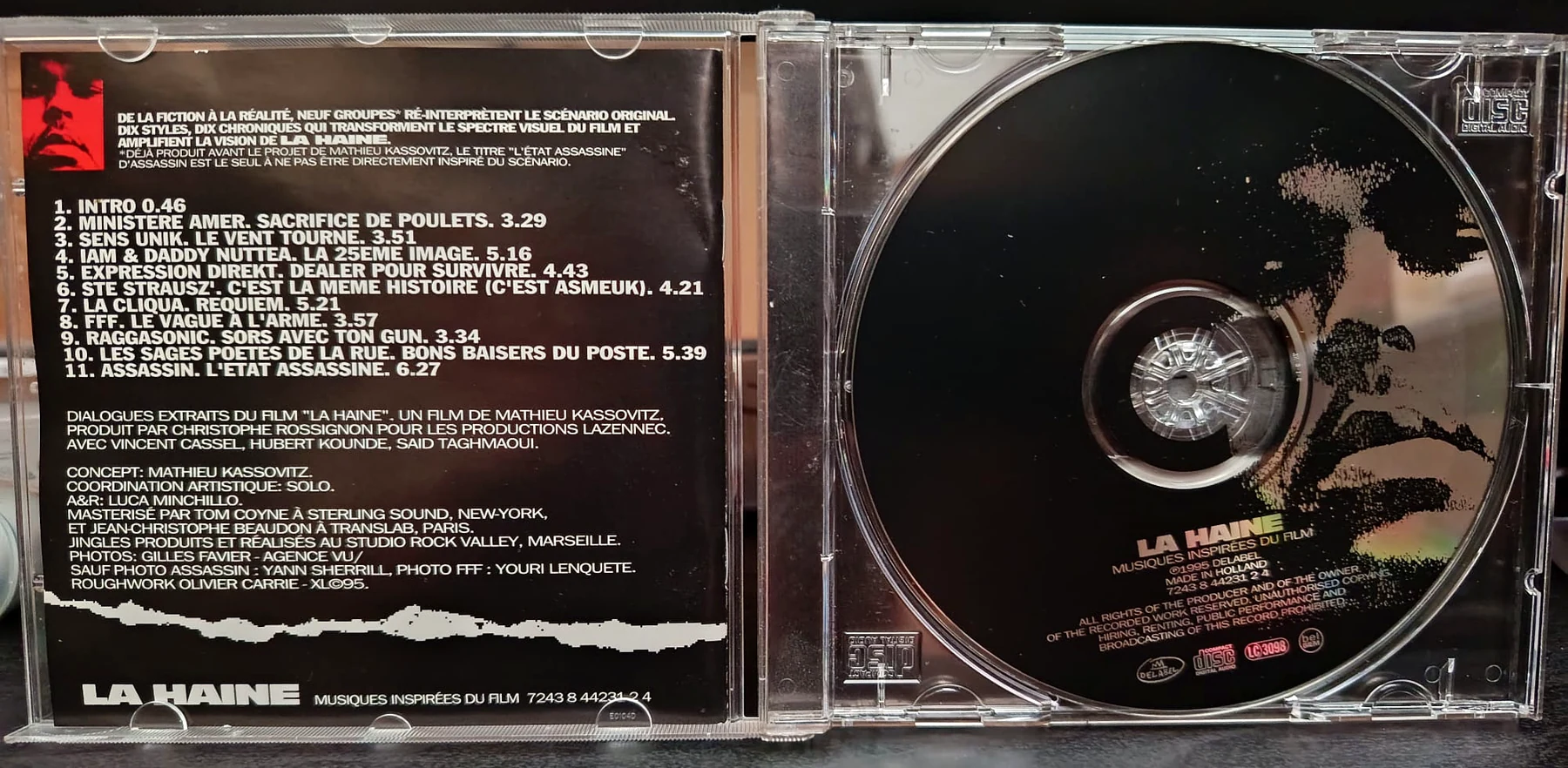
At a time when there was no internet to instantly identify a track, an artist or a scene, discovering French rap meant following clues. Names on a CD sleeve. A group you had never heard of. A song that made you look for another record.
La Haine — Musiques inspirées du film became part of that process.
It connected the film to a wider world of French hip-hop that, from Madrid in the mid-1990s, still felt difficult to access and therefore somehow more valuable when you found it.
AN OBJECT YOU COULD RETURN TO
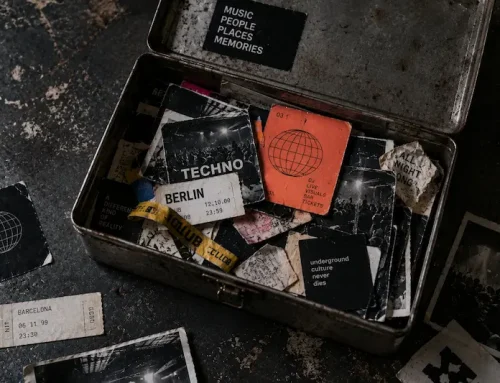
There was something different about discovering music through a physical object.
You read the names. You looked at the credits. You tried to understand who was connected to whom. Sometimes one name was enough to send you looking for another record.
The CD was not just something you played.
It was something you studied.
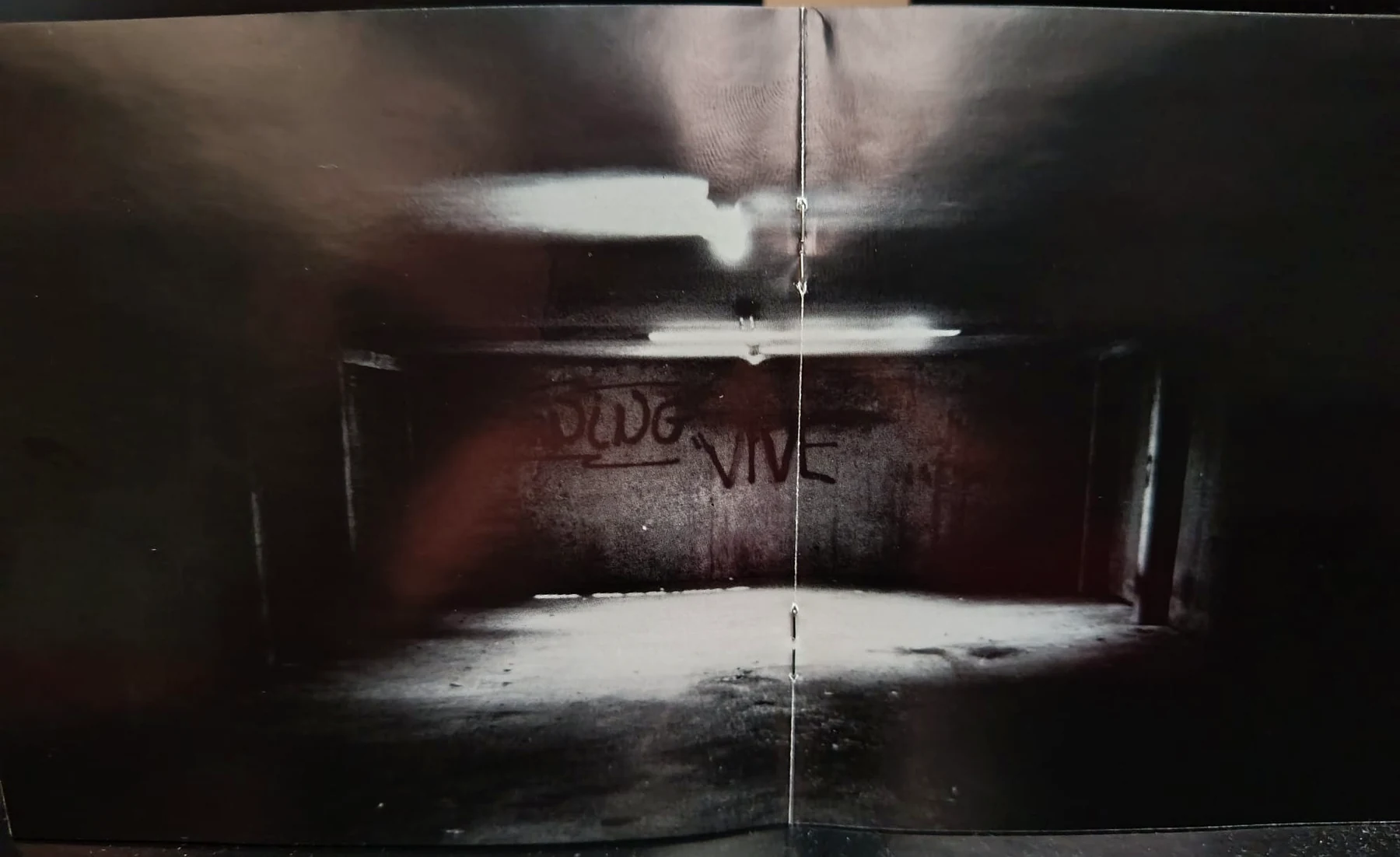
And years later, it still carries traces of that moment.
SOME FILMS NEVER LEAVE YOU
Almost thirty years have passed since I first watched La Haine.
The VHS disappeared a long time ago. The world in which I discovered it disappeared too.
Today, almost everything is immediately available. A film leads to a search, a song to a playlist, an image to another image. We can discover more culture in an afternoon than we could have found in months back then.
And yet, availability does not necessarily mean permanence.
We watch, scroll, save, skip and move on.
La Haine came from another rhythm.
It arrived at a particular moment in my life and stayed there. Not because I kept watching it constantly, but because it became connected to other things: being a teenager in Madrid, discovering French rap, a certain way of dressing, looking at the city, understanding rebellion and searching for whatever came next.
Maybe that is what separates the things we consume from the things that become part of us.
Some culture passes through you.
Some stays.
BEFORE STREETWEAR BECAME A LANGUAGE
Looking back at La Haine now, it is impossible not to notice how contemporary much of its visual language still feels.
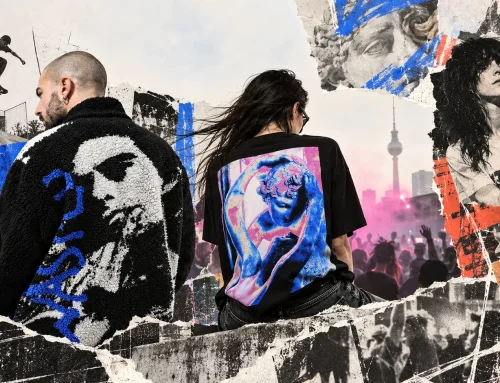
The oversized jackets, tracksuits, sportswear, sneakers, caps, shaved heads and the way clothes were worn rather than styled — all of it belongs to a world that modern streetwear still draws from.
But in 1995, none of this felt like a carefully constructed aesthetic.
It was simply how people dressed.
That may be part of why the film still looks so relevant today. What was once ordinary street clothing has become a global visual language, photographed, referenced, reworked and sold back to us as fashion.
For us, seeing La Haine in the mid-1990s was not about identifying a “streetwear aesthetic.”
We just recognised the clothes.
And that difference matters.
WHAT STAYS
Almost thirty years have passed since I first watched La Haine.
The VHS is gone. The world in which I discovered it has changed completely. Today, films, music and images arrive constantly, one after another, designed to be watched, shared and replaced by whatever comes next.
We have access to almost everything.
But access is not the same as connection.
La Haine stayed.
It stayed connected to being a teenager in Madrid, to discovering French rap, to the clothes we wore, to a certain idea of rebellion and to a time when finding something new meant following a trail instead of an algorithm.
The CD is still here too.
Maybe that is why physical objects matter. They remind us that culture was never just content. Some things became part of who we were, and decades later they can still take us back to the exact moment when we first discovered them.
Some films entertain you.
Some films influence you.
And some films never really leave you.
“It’s not the fall that matters. It’s the landing.”
Leave A Comment