
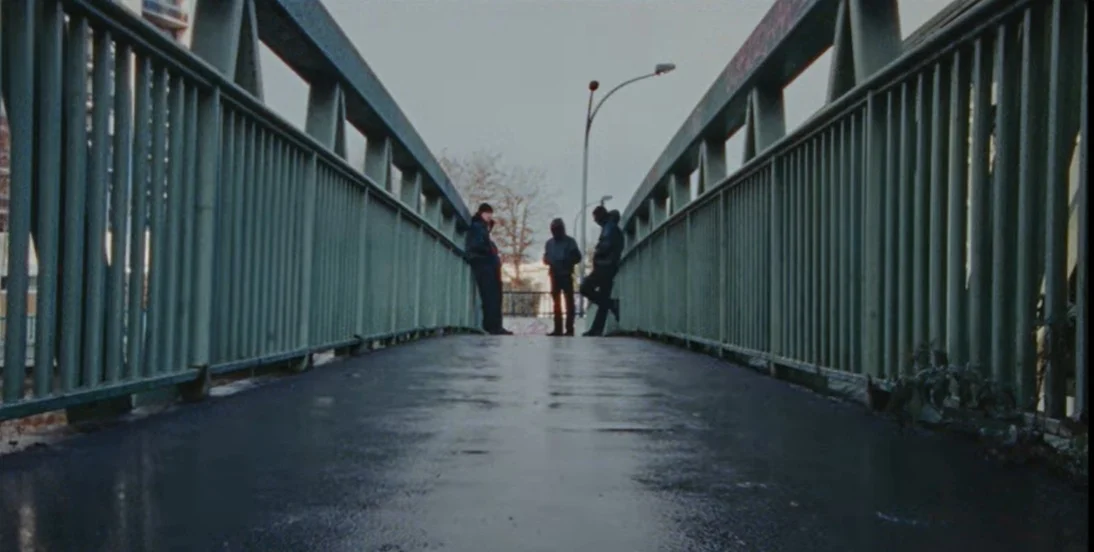
From the Asphalt to the Runway: Why Modern Streetwear Completely Misunderstands Its Own History
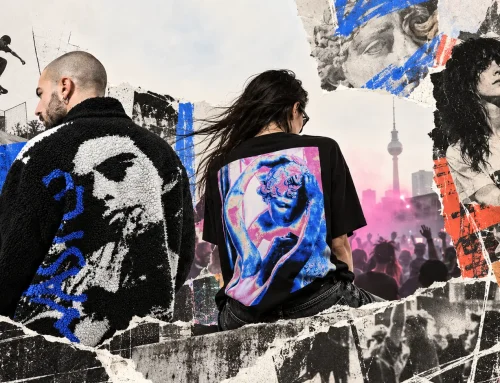
If you take a walk through any major city today, you will see the exact same uniform: oversized hoodies, baggy pants dragging on the pavement, thick-soled sneakers, and five-panel caps. What we now call “streetwear” has become the undisputed king of the modern wardrobe. It’s a multi-billion-dollar empire dominating fashion weeks from Paris to New York.
But let’s be honest for a second. This aesthetic didn’t start in the sterile studio of a luxury designer, nor was it engineered by a corporate marketing team.
It was born in the streets. It took hits against concrete curbs, got its knees scraped, and bled on the asphalt. The truth is simple: modern streetwear cannot be understood without the explosion of skate culture in the late 80s and 90s. And somewhere along the way to the bank, the industry forgot its own soul.
What we now call “streetwear” has become the undisputed king of the modern wardrobe, but its true identity is deeply rooted in the iconic 90s skate streetwear movement.
1. The Era of Raw Authenticity (And Why Clothes Had to Be XL)
In the late 80s and early 90s, skateboarding underwent a brutal metamorphosis. It abandoned the giant vertical ramps and neon colors of the 1980s and moved entirely to the concrete. Skateboarders reclaimed public plazas, industrial zones, and courthouse steps.
For this new, ultra-technical style of street skating, tight clothes or traditional athletic uniforms were useless. You needed two things above all else: freedom of movement and survival against the ground.
-
The birth of the oversized silhouette: Pants became massively baggy for a completely functional reason—to allow knees to bend and move without restraint during complex tricks.
-
Durability as a religion: Heavyweight cotton tees, canvas jackets borrowed from blue-collar workwear, and thick hoodies capable of taking a high-speed slide across rough cement.
What started as a pure, utilitarian need to survive the asphalt became a defiant aesthetic statement: comfort, rebellion, and zero desire to fit in.
2. A Shared Soundtrack: Hardcore, Punk, and Distortion
Skating in the 90s wasn’t a sport; it was a sanctuary for the misfits of the suburbs. It was a community bound by a cultural code that was inseparable from underground music. You cannot understand the clothing of that era without the clicking sound of a Walkman or the distorted blast of a boombox sitting on a curb.
There was a beautiful, chaotic symbiosis between street skating and the punk rock, hardcore, and alternative rock scenes. Band names like Bad Religion, Social Distortion, Pennywise, or Fugazi provided the literal heartbeat for the VHS skate tapes that circulated from hand to hand like sacred texts.
The aesthetics of the underground stage and the concrete plaza blended into each other:
-
Flannel shirts borrowed from the grit of the Pacific Northwest.
-
T-shirts featuring ripped-up logos, anti-establishment graphics, and band patches.
-
Beat-up caps and sneakers shredded by griptape, held together by nothing but shoe goo and duct tape.
Skate style absorbed the raw, unfiltered ethos of punk: it didn’t matter if you looked clean; it only mattered if you looked real.
The VHS Archive: Press Play to Feel the Noise
If you want to see the exact moment this subculture changed the world forever, look no further than Plan B’s Questionable (1992). This video rewrote the rules of street skating. Watch Danny Way fly through the streets with the relentless, double-time drums of Bad Religion’s “No Control” blasting in the background. That speed, that loose clothing, that lack of care for consequences—that is the blueprint.
3. The “Do It Yourself” Spirit
Long before this look became a global corporate strategy, it operated under one rule: DIY (Do It Yourself).
Skateboarders opened small, independent local shops, edited photocopied fanzines, filmed each other on heavy Sony VX1000 cameras, and screen-printed t-shirts in their parents’ garages just to sell them to their crew out of the trunk of a car.
This culture introduced concepts that modern fashion now exploits: limited edition “drops,” extreme loyalty to a local community, and the idea that what you wear is a secret handshake to identify your peers and distance yourself from mainstream society.
4. Concrete to Runway: What Modern Streetwear Forgets About the ’90s
And this brings us to the tragedy of the modern landscape. The massive global success of this style has caused a devastating side effect: complete identity theft.
Today, we are witnessing an absurd paradox where the word “streetwear” has been hijacked by massive luxury conglomerates and high-fashion labels. You walk past high-end boutiques or scroll through social media and see labels calling themselves “streetwear” simply because they sell a blank hoodie for 800 euros or a pair of sneakers with a printed logo.
Let’s call it what it is: corporate clothing pretending to have a soul.
These brands try to sell an aesthetic of asphalt and rebellion from air-conditioned corporate offices. They have never crawled away from a security guard, they have never sweated through a hardcore gig in a humid basement, and they have absolutely no understanding of independent community culture.
When you strip streetwear of its music, its defiance, and its independent roots, it ceases to be streetwear. It just becomes overpriced clothing designed to look good in an algorithm. You cannot buy a subculture with a premium price tag.
The Verdict: Keep the Legacy Alive
Every time you put on a pair of baggy jeans, a heavyweight hoodie three sizes too big, or a pair of flat-soled skate shoes, you are—consciously or unconsciously—wearing the uniform of a counter-culture.
Modern streetwear may have won the global fashion war, but its barcode was stamped on the streets thirty years ago by kids who didn’t care about luxury. They just wanted to listen to fast music and skate until the streetlights came on. Support the independent creators, look back at the videos that built this scene, and never forget that authentic 90s skate streetwear belongs to the concrete, not the runway
Support the independent creators, look back at the videos that built this scene, and never forget: true streetwear belongs to the concrete, not the runway.
Leave A Comment