
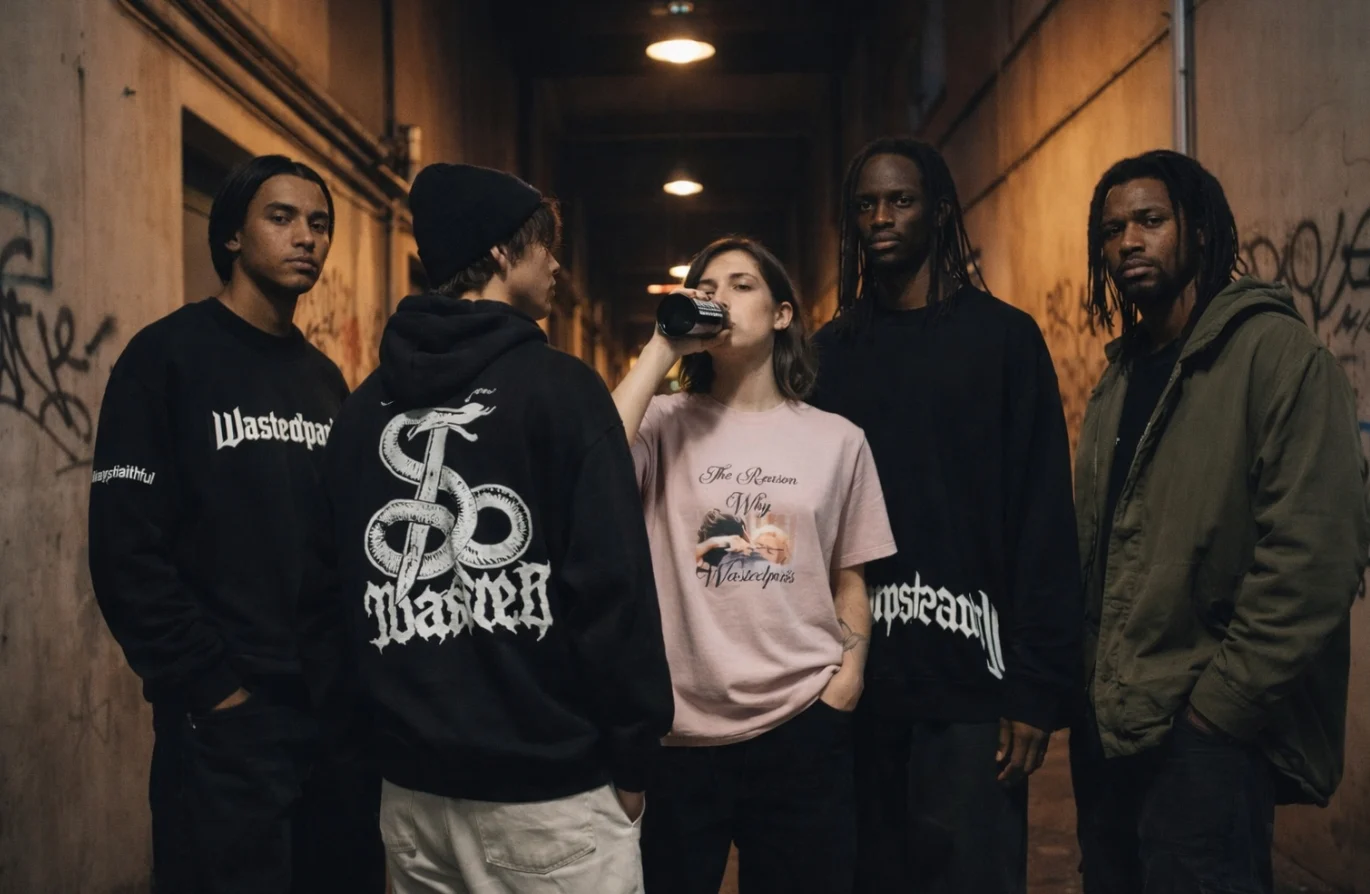
Underground streetwear is not a trend, a seasonal aesthetic or a marketing label. It’s a cultural expression that exists outside the rules of conventional fashion. While mainstream fashion follows calendars, algorithms and mass appeal, underground streetwear moves at its own pace, shaped by subcultures, music scenes and people who use clothing as a personal statement rather than a product.
Understanding underground fashion scene means understanding why it deliberately avoids the spotlight, why it rejects overexposure and why it values attitude over reach. This is exactly what separates it from conventional fashion and why it resonates so strongly with people who don’t want to dress like everyone else.
Where underground streetwear really comes from
Underground streetwear didn’t start on runways or social media. It grew out of streets, basements, rehearsal rooms and skate spots. Its roots are deeply connected to underground music scenes, independent art movements and local communities that needed their own visual language.
Instead of being designed to sell to everyone, early streetwear was created to represent specific groups. Skate crews, graffiti writers, DJs, rappers and alternative scenes used clothing as a way to signal belonging. Logos were often cryptic, references were internal and designs weren’t meant to be explained.
That origin still defines independent streetwear today. It’s not about nostalgia, but about preserving that mindset: clothing as identity, not as a product cycle.
Why underground streetwear is not mainstream fashion
The main difference between underground streetwear and conventional fashion is intention. Mainstream fashion is built to scale. It needs clear trends, recognizable references and fast consumption. Underground streetwear doesn’t.
Conventional fashion asks, “What’s popular right now?” Underground streetwear asks, “What feels real?” That difference changes everything, from design decisions to how pieces are released and who they are made for.
Underground brands often avoid mass distribution on purpose. Limited drops, small runs and selective retailers are not marketing tricks, but structural choices. Scarcity protects identity. Overexposure dilutes meaning.
This is why independent streetwear can’t be reduced to oversized fits or graphic tees. Those elements exist, but they’re not the point. The point is control, authenticity and cultural coherence.
The role of music and sound culture
One of the strongest pillars of underground streetwear is its connection to music. Not chart-topping hits, but scenes. Electronic, punk, hardcore, hip hop, experimental or hybrid genres all influence how underground fashion looks and feels.
Music shapes silhouettes, color palettes and graphic language. Dark tones, raw textures and heavy fabrics often mirror the sound itself. Clothing becomes a visual extension of what you listen to.
This link is still very present today. Many alternative streetwear projects are born around record labels, parties or collectives. The clothes make sense because the culture behind them is real.
That idea of “fashion with a sonic soul” is what keeps underground streetwear grounded. It doesn’t chase aesthetics. It reflects lived experiences.
Fit, silhouette and attitude over trends
Underground streetwear pays close attention to fit, but not in a trend-driven way. Baggy, boxy or oversized silhouettes are common, not because they’re fashionable, but because they communicate ease, resistance to tailoring rules and freedom of movement.
The fit often matters more than the logo. A perfectly cut oversized pant or a heavy crewneck with the right proportions says more than a loud graphic. This focus on shape over branding is another reason underground streetwear stays relevant while trends fade.
Materials also matter. Heavy cotton, structured denim and durable fabrics are chosen for how they age, not how they look on day one. Wear, fading and creases become part of the garment’s story.
Why underground streetwear rejects fast fashion
Fast fashion depends on speed and volume. Underground streetwear depends on meaning and timing. That’s why the two worlds are fundamentally incompatible.
Underground brands don’t release collections just because the season changes. Drops happen when they’re ready. Designs aren’t tested by focus groups. They’re released because they feel right.
This slower approach creates a stronger bond between the wearer and the garment. You don’t buy alternative streetwear to replace it in three months. You wear it, live in it and let it become yours.
This mindset is also why many underground brands remain independent. Growth is intentional, not automatic.
Curation as a form of identity
Not everyone can or should wear underground streetwear. And that’s the point. Curation plays a huge role in protecting the culture.
Platforms like EveryBody Loves exist precisely because underground streetwear needs context. It’s not about stocking everything. It’s about selecting pieces that share a common attitude.
By focusing on emerging brands, limited drops and collections with a clear identity, curated spaces help translate underground culture without flattening it. They offer access without turning it into mass consumption.
For the customer, this curation becomes part of their identity. Buying from a space that understands the culture matters as much as the clothing itself.
Underground streetwear as personal language
People who wear underground streetwear don’t usually follow outfit formulas. They build their style slowly, piece by piece. Each item has a reason to be there.
This makes underground streetwear deeply personal. Two people can wear similar silhouettes and still look completely different. The clothes don’t dominate the wearer. They amplify them.
That’s why underground streetwear often feels timeless. It doesn’t depend on what’s trending this month. It depends on who you are.
Why underground streetwear keeps growing without going mainstream
Despite its resistance to mass appeal, underground streetwear continues to grow. Not in numbers, but in influence. Mainstream fashion constantly borrows its codes, often without understanding their origin.
What keeps underground streetwear alive is its ability to adapt without losing its core. New sounds, new cities and new generations reshape it, but the foundation stays the same.
As long as there are people who value authenticity over visibility, underground streetwear will exist. It doesn’t need validation. It needs relevance.
Choosing underground streetwear today
Getting into underground streetwear is not about copying looks. It’s about learning to recognize intention. Paying attention to how a garment is made, where it comes from and why it exists.
It’s also about choosing spaces that respect the culture. Curated platforms, independent brands and limited releases matter more than hype.
Underground streetwear is not a shortcut to style. It’s a long-term relationship with clothing that reflects who you are and what you stand for.

Leave A Comment